
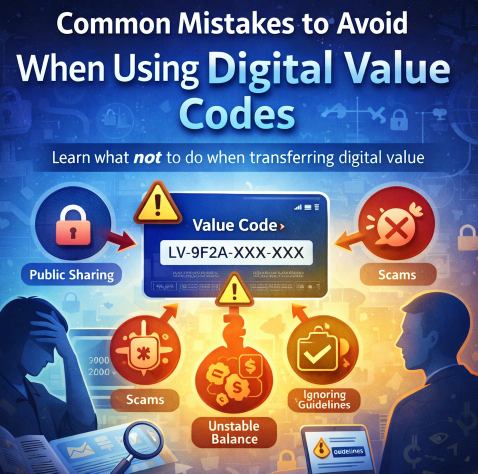
Common Mistakes to Avoid When Using Digital Value Codes
Digital Value Codes are transforming how people send, receive, and store value online. They offer privacy, speed, and flexibility that traditional payment systems often lack. However, like any powerful digital tool, using them incorrectly can lead to loss, confusion, or security risks.
In this detailed guide, we’ll explore the most common mistakes people make when using Digital Value Codes and show you exactly how to avoid them — especially when using privacy-focused platforms like Lotsvia.
Understanding Digital Value Codes First
Before diving into mistakes, it’s important to understand what Digital Value Codes really are.
A Digital Value Code is a secure, system-generated code that represents a specific amount of digital value stored inside a wallet system. On platforms like Lotsvia, these codes allow users to transfer value without revealing bank details, identity documents, or sensitive personal information.
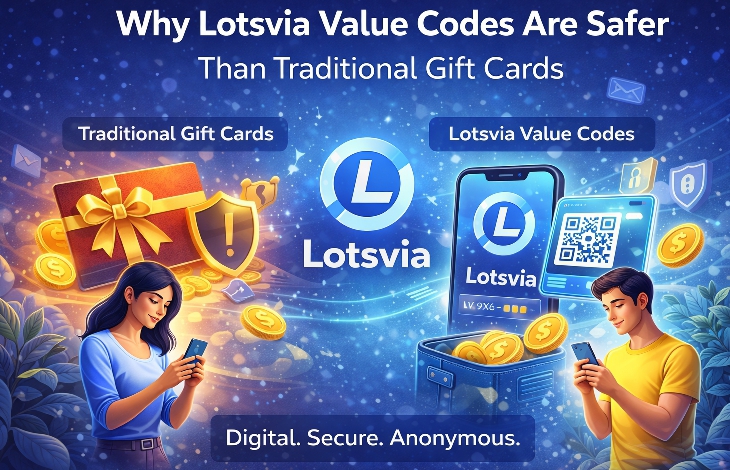
Unlike gift cards tied to brands or regions, Value Codes are platform-native, flexible, and often anonymous. This power also means users must handle them responsibly.
 [Illustration showing a digital value code moving securely between two anonymous users ]
Mist ake #1: Treating Digital Value Codes Like Regular Gift Cards
One of the biggest mistakes users make is assuming Digital Value Codes behave exactly like traditional gift cards.
Unlike store-based gift cards, Value Codes are direct representations of wallet value. Once redeemed, the value moves instantly. There is no customer support line to reverse mistakes caused by carelessness.
How to avoid this:
- Always double-check the recipient before sharing a code
- Understand that codes are value-bearing instruments
- Treat codes with the same care as cash
Mistake #2: Sharing Codes in Public or Unsafe Channels
Another common error is sending Value Codes through insecure channels such as public comments, unencrypted chats, or screenshots shared online.
Digital Value Codes are designed for privacy, but privacy only works if users maintain secure sharing habits.
How to avoid this:
- Share codes only through private messages
- Avoid posting codes on social media or public forums
- Use secure messaging platforms when necessary
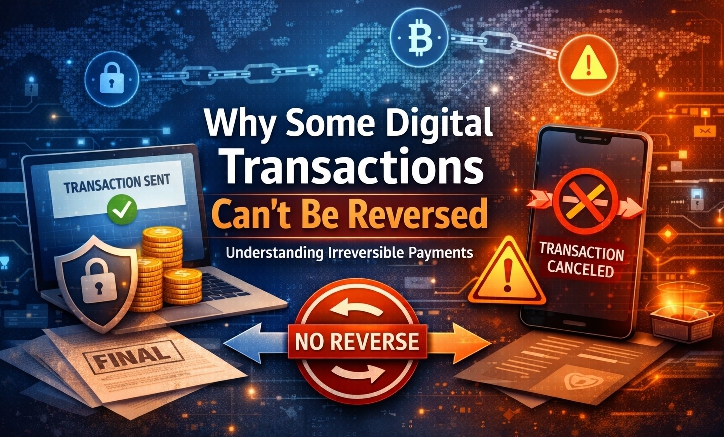
Mistake #3: Not Understanding Redemption Finality
Once a Value Code is redeemed successfully, the action is final. Some users mistakenly assume they can cancel or reverse a redeemed code.
On privacy-first platforms like Lotsvia, finality is essential to prevent fraud, duplication, and abuse.
How to avoid this:
- Redeem codes only when ready
- Confirm code accuracy before submission
- Never rush the redemption process
Mistake #4: Ignoring Wallet Balance Checks
Some users attempt to generate Value Codes without paying attention to their wallet balance.
Generating a Value Code requires sufficient balance. Ignoring this can lead to failed attempts and confusion.
How to avoid this:
- Always check your Lotsvia Vault balance
- Factor in any applicable platform fees
- Generate codes within your available value
Mistake #5: Forgetting the Anonymous Nature of Value Codes
Digital Value Codes on Lotsvia are anonymous by design. This means once shared, there is no identity-based tracking of who redeems them.
Some users mistakenly expect identity confirmation or recovery options tied to the recipient.
How to avoid this:
- Send codes only to trusted recipients
- Understand that anonymity protects privacy, not mistakes
- Keep personal records of sent codes
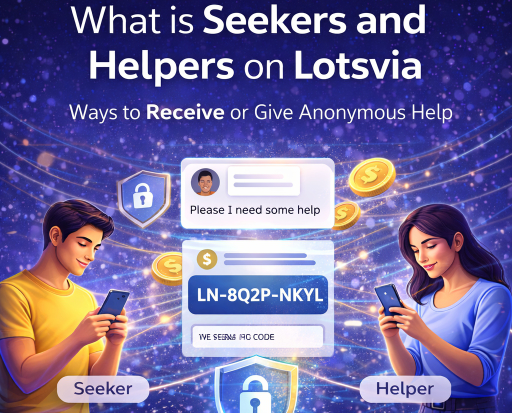
Mistake #6: Misusing Value Codes in the Seekers & Helpers System
Lotsvia’s Seekers & Helpers feature allows users to request or provide help anonymously using Value Codes. A common mistake is misunderstanding how this flow works.
Seekers do not receive money directly. Helpers generate Value Codes and voluntarily share them through the seeker’s request interface.
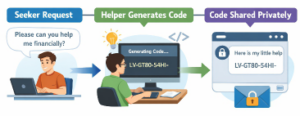 [Flow showing Seeker request → Helper generates value code → Code shared privately ]
How to avoid this:
- Seekers should clearly describe their request
- Helpers should generate codes intentionally
- Never post codes publicly on seeker feeds
Mistake #7: Assuming Platform Tracks Helper Relationships
Some users believe Lotsvia tracks who helped who. This is incorrect.
Lotsvia is built on anonymous assistance. The platform does not store or expose helper-seeker relationships.
How to avoid this:
- Do not expect follow-ups or tracking
- Understand help is voluntary and private
- Save communication details yourself if needed
Mistake #8: Poor Record Keeping
While Lotsvia stores transaction history securely, users should still maintain basic personal records.
Failing to note generated codes, dates, or recipients can cause unnecessary confusion later.
How to avoid this:
- Use the code history feature
- Save confirmation emails
- Label codes for personal reference
Mistake #9: Falling for Social Engineering Scams
Scammers may try to trick users into sharing Value Codes under false pretenses.
Because Value Codes act like digital cash, scammers target careless users.
How to avoid this:
- Never share codes under pressure
- Verify requests independently
- Ignore unsolicited messages asking for value
Mistake #10: Not Reading Platform Guidelines
Many mistakes happen simply because users skip platform explanations and guidelines.
Lotsvia provides clear instructions, FAQs, and help sections to ensure safe usage.
How to avoid this:
- Read onboarding instructions carefully
- Explore help and FAQ sections
- Stay updated on platform policies
Final Thoughts: Smart Usage Leads to Secure Value Exchange
Digital Value Codes are powerful tools for private, flexible, and global value exchange. When used correctly, they offer unmatched freedom and dignity for both senders and receivers.
By avoiding the mistakes outlined above, users can enjoy the full benefits of Lotsvia’s secure ecosystem — whether generating Value Codes, redeeming them, or participating in the Seekers & Helpers program.
Knowledge, caution, and responsibility are the keys to mastering Digital Value Codes.