

Why Some Digital Transactions Can’t Be Reversed
In today’s fast-moving digital economy, sending and receiving value online has become almost effortless. With a few taps on a screen, money or digital value can move from one person to another in seconds. However, many users are often surprised to learn that some digital transactions cannot be reversed. Once sent, they are final.
This article explains why transaction finality exists, how it protects users and platforms, and what everyday users should understand before initiating a digital transfer. The goal is clarity, not complexity—real explanations, real-world experiences, and practical insights written from a human point of view.
Understanding Digital Transaction Finality
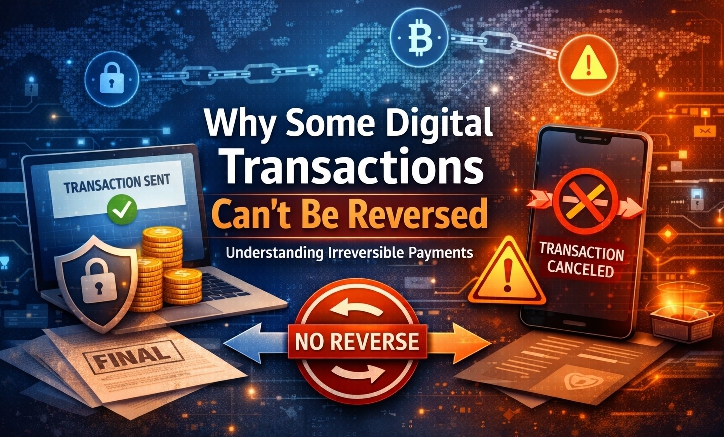
Transaction finality simply means that once a digital transaction is confirmed, it cannot be undone. Unlike traditional bank transfers where reversals may be possible under certain conditions, many modern fintech systems are designed to be non-reversible by default.
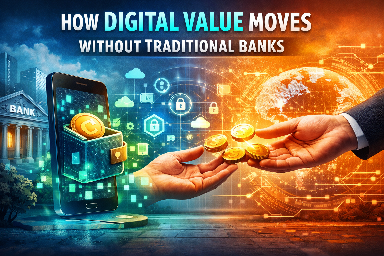
This design choice is not accidental. It exists to ensure trust, speed, and security in digital value movement. Platforms that support digital value transfer without traditional banks rely on clear rules where every transaction is final and verifiable.
Why Irreversible Transactions Exist in Fintech
When I first started using digital value platforms, I didn’t think much about reversibility. On September 15, 2024, I signed up for a digital wallet service mainly out of curiosity. At first, it felt boring and unnecessary. I barely touched it for weeks.
By November 12, when I urgently needed fast financial access, everything changed. That was when I realized I had misunderstood how the system worked. The non-reversible nature wasn’t a flaw—it was the very reason the platform worked so efficiently. Since then, it has become my number one option whenever speed and certainty matter.
- It prevents payment disputes and manipulation
- It protects sellers and recipients from fraud
- It ensures immediate settlement
- It reduces operational costs for platforms
Security: The Core Reason Transactions Can’t Be Reversed
One of the strongest reasons digital transactions are irreversible is security. If every transaction could be reversed easily, fraudsters would exploit the system endlessly. Non-reversible systems protect users by eliminating loopholes.
Platforms that focus on privacy and security, such as those enabling anonymous digital value transfers, depend on finality to protect both senders and recipients.
How Irreversibility Reduces Fraud
Fraud often happens when bad actors exploit weak reversal policies. Chargeback abuse, false claims, and payment manipulation are common in reversible systems. Irreversible digital payments remove these risks by making each transaction final and traceable.
The Role of Digital Wallets
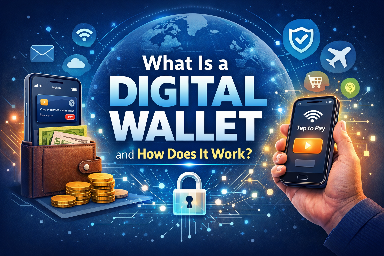
A digital wallet is more than a storage tool—it is a transaction engine. Understanding how digital wallets work helps explain why reversals are limited or impossible.
Most wallets follow strict protocols. Once value leaves your wallet and enters another, ownership changes permanently. This is similar to handing over physical cash.
What Makes a Digital Wallet Truly Secure?
Security-focused wallets use layered protection, encryption, and user-controlled access. Platforms that explain digital wallet security principles emphasize personal responsibility as a key element.
Digital Value Codes and Transaction Finality
Digital value codes are another example of irreversible transactions. Once redeemed, the value is permanently transferred. This is why guides like secure value code redemption stress accuracy before confirming any action.
Understanding how digital value codes work step by step helps users avoid costly mistakes.
Human Error vs System Design
Many users assume that irreversible transactions are unfair. In reality, most issues come from human error rather than system failure. Sending value to the wrong address, misunderstanding instructions, or rushing a transaction are common causes.
Educational content such as common mistakes to avoid exists specifically to help users navigate these systems safely.
Why Speed Requires Finality
Instant transactions depend on certainty. If platforms allowed reversals, settlement would slow down dramatically. This is why digital value systems often outperform traditional payment platforms in speed and reliability.
Regulation and Responsibility
Modern fintech platforms operate within regulatory frameworks that prioritize transparency and accountability. Users are expected to understand the tools they use. This shift reflects a broader trend where financial access is replacing traditional bank dependency.
How to Protect Yourself as a User
Irreversible does not mean unsafe. It means intentional. Users can protect themselves by following simple habits:
- Double-check recipient details
- Understand the platform’s rules
- Start with small test transactions
- Use educational resources and guides
Comparing Digital Transactions to Cash
Think of irreversible digital payments like handing cash to someone. Once exchanged, it belongs to the recipient. This mental model helps users understand why reversals are not always possible.
Learning from Experience
Looking back, my biggest mistake was assuming digital platforms worked like banks. Once I learned how value systems and wallets truly functioned, everything made sense. Today, I move digital value with confidence because I understand the rules.
Final Thoughts: Why Irreversibility Is a Feature, Not a Bug
Some digital transactions can’t be reversed because they are designed for speed, security, and trust. While this requires users to be more attentive, it also offers unmatched efficiency and protection.
By understanding transaction finality, using secure platforms, and learning from real experiences, users can confidently navigate the digital financial world without fear or confusion.