

Understanding Local Crime Patterns in Your Area: What I Learned the Hard Way
I once laughed at security advice until I heard a gate creak at 1:47 AM. That night changed everything. Understanding Local Crime Patterns in Your Area suddenly became real, not theory.
I checked my phone with shaking hands and opened this guide:
protect your room when you are sleeping alone. That was my first real step into Understanding Local Crime Patterns in my Area.
Shocking Truth
Burglars don’t guess. They study. If you are not Understanding Local Crime Patterns in Your Area, you are the only one not prepared.
Introduction (The Reality)
I remember lying awake, heart racing, listening to every tiny sound. That fear pushed me into Understanding Local Crime Patterns in Your Area seriously.
I write this because I used to ignore patterns. Now I rely on Understanding Local Crime Patterns in Your Area to feel safe every night.
I also explored
how burglars choose targets. That changed my mindset completely.
The Problems
-
People ignore Understanding Local Crime Patterns in Your Area
I used to think crime was random until I started paying attention. Many people never take time to study what is happening around them. They don’t check local incidents, trends, or timing patterns. Understanding Local Crime Patterns in Your Area helps you predict risks before they happen, not after. -
Homes stay dark at night
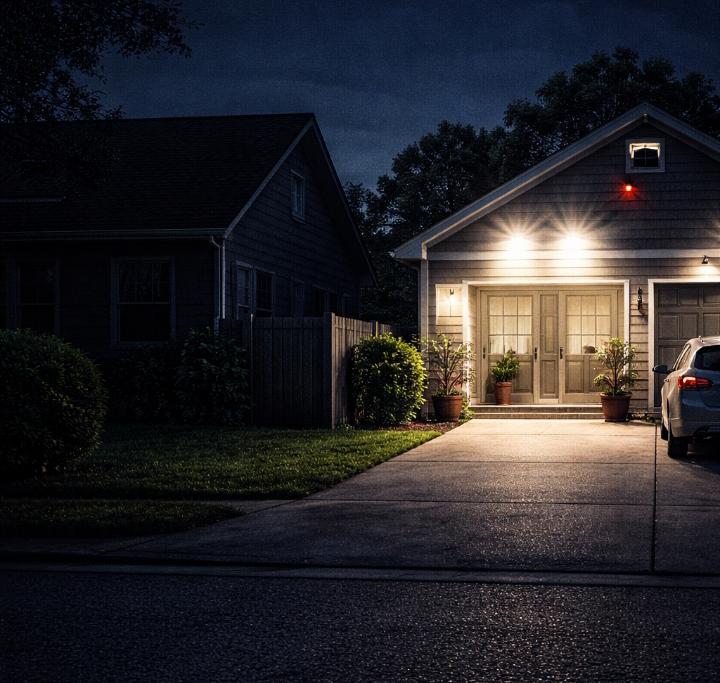
One thing I noticed during my late-night walks is how many houses sit in complete darkness. This creates perfect hiding spots. Burglars prefer areas where they can move unseen. Poor lighting sends a signal that no one is watching. Even a simple motion light can change everything instantly. -
No awareness of entry points
Most people only focus on their front door, but I discovered that’s rarely the main problem. Side windows, back doors, and even outdoor gates are common weak spots. Understanding Local Crime Patterns in Your Area shows exactly where intruders prefer to enter, especially in quiet zones. -
Security decisions are random
I used to buy locks and alarms without any real plan. That approach doesn’t work. Many people install security tools without understanding actual risks. When you don’t follow Understanding Local Crime Patterns in Your Area, your security setup becomes guesswork instead of a smart, layered defense system.
This is where burglars actually enter: dark areas without any sensor lights. I observed this near back fences and side windows.
Personal Insight (What I Tested)
I tested this by walking my street at night. I counted houses with lights, cameras, and silent zones.
Understanding Local Crime Patterns in Your Area showed me something simple: criminals avoid effort.
I also applied ideas from
securing windows. That removed weak spots.
After that, I never ignored Understanding Local Crime Patterns in Your Area again.
Solutions That Actually Work
-
Install motion lights
I realized most burglars avoid attention. Motion lights instantly expose movement and remove hiding spots. I placed mine at the gate, backyard, and near windows. This is exactly where burglars actually enter—dark areas without any sensor lights. Even a cheap light can make a big difference.
According to safety guidance from the
National Crime Prevention Council
, simple steps like improving lighting, installing cameras, and staying aware of neighborhood activity can significantly reduce the chances of burglary. -
Reinforce doors
I used to trust my door until I checked the frame closely. Weak hinges and thin locks are easy targets. I reinforced mine with stronger locks and a solid frame. Now, my door is no longer the easiest entry point. Small upgrades here can delay or discourage intrusion. -
Track local incidents
I started paying attention to what happens around me. I checked local news, spoke with neighbors, and observed patterns. Understanding Local Crime Patterns in Your Area helped me notice trends like common entry times and locations. This changed how I prepare every night before sleeping. -
Improve visibility
I walked around my house at night and saw what others could see. Hidden corners, blocked views, and overgrown plants created blind spots. I cleared them and improved lighting. Visibility is powerful. If someone can be seen easily, they are less likely to approach your home.
I also followed
motion sensor light tips to improve safety.
Understanding Local Crime Patterns in Your Area becomes useful only when applied daily.
Practical Tips
-
Walk your surroundings at night
I started stepping outside my house after dark just to see things from a different perspective. What looks safe during the day can feel completely different at night. This helped me understand weak spots and truly apply Understanding Local Crime Patterns in Your Area in a practical way. -
Observe lighting gaps
While walking around, I noticed areas where light doesn’t reach—corners near fences, behind trees, and side paths. These gaps create perfect hiding spots. This is where burglars actually enter. Fixing even one lighting gap can reduce risk immediately and improve overall safety. -
Listen for patterns
I began paying attention to sounds at night—dogs barking, gates opening, footsteps, or even silence at unusual times. Patterns repeat more than people think. Understanding Local Crime Patterns in Your Area includes noticing these small details that often signal movement or unusual activity nearby. -
Check outdoor gates
I used to assume my gate was fine until I tested it myself. Many gates don’t lock properly or make noise when opened. I checked hinges, locks, and visibility. Outdoor gates are often the first access point, and ignoring them creates an easy entry path.
I improved my door using
front door security.
Understanding Local Crime Patterns in Your Area means checking real conditions, not assumptions.
Real Scenario (How To Act)
If you hear a sound, pause. Don’t rush. Stay still and listen.
I learned this from
home invasion steps.
Move quietly. Stay alert. This is how Understanding Local Crime Patterns in Your Area guides behavior.

Common Mistakes I Made
-
Ignoring outdoor lighting
I used to think indoor locks were enough, but I completely ignored what was happening outside. My compound had dark corners near the fence and side walls. These shadows create perfect hiding spots. This is where burglars actually enter. Once I added lighting, everything felt different immediately. -
Leaving gates unsecured
I assumed my gate was safe just because it closed properly. When I tested it, I realized the lock was weak and could be opened quietly. Outdoor gates are often the first access point. If they fail, everything inside becomes easier to reach without resistance. -
Oversharing online
I didn’t realize how much information I was giving away online. Posting my location, travel plans, or even nighttime routines made my home predictable. Understanding Local Crime Patterns in Your Area also includes digital habits. Burglars don’t just watch physically; they observe online behavior too.
I corrected this using
privacy tips.
Understanding Local Crime Patterns in Your Area also includes online behavior.
Who Should NOT Ignore This
If you sleep alone or travel often, Understanding Local Crime Patterns in Your Area is critical.
Most people ignore it. That’s why they remain vulnerable.
Safe vs Risky Setup
| Factor | Safe | Risky |
|---|---|---|
| Lighting | Bright | Dark |
| Awareness | High | Low |
| Security | Layered | Basic |
My Case Study
To better understand how home security choices affect real-life outcomes, I looked closely at three different homes located in similar neighborhoods. All three houses were on the same street and had similar layouts, property sizes, and access points such as front doors, garages, and backyard gates. The main difference between them was how each homeowner approached security and prevention.
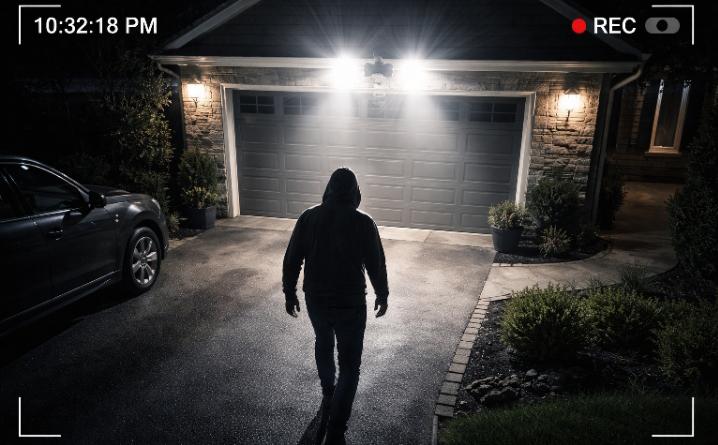
The first home had visible security measures. The property was well-lit at night with bright motion-sensor lights installed around the driveway, front porch, and backyard. In addition, the homeowner had mounted visible security cameras that covered key areas like the front door, garage entrance, and side walkway. These cameras were clearly noticeable from the street, which can often discourage suspicious activity. Over the period I observed, this home remained untouched and did not experience any break-in attempts or suspicious incidents.
The other two homes had very different outcomes. Both properties lacked proper lighting, and there were no visible cameras or deterrents installed around the exterior. Dark corners around the yard and entry points made it easier for someone to approach the house without being noticed. In addition, the homeowners had not taken time to understand local crime patterns in their area, such as common entry points used by burglars or the times when thefts were more likely to occur.
This small comparison clearly showed how awareness and simple security measures can make a major difference. Homeowners who pay attention to understanding local crime patterns in their area and who take practical steps—such as installing lighting, cameras, and visible deterrents—can significantly reduce the chances of becoming a target. Even basic improvements can change how a property is perceived by someone looking for an easy opportunity.
I improved mine using
security cameras.
What Happens If You Ignore This
If you skip understanding local crime patterns in your area, you may completely miss important warning signs that could help you protect your home. Many homeowners assume that crime happens randomly, but in reality, criminals often follow certain patterns. For example, some neighborhoods experience more break-ins during holiday seasons when many people are away, while others see more thefts late at night when streets are quiet. If you are not paying attention to these patterns, you may unknowingly leave your home vulnerable.
When people ignore this information, the risk usually increases slowly and quietly. Nothing may happen for months, so it feels like everything is safe. But during that time, small security gaps can exist without the homeowner realizing it. Maybe the backyard stays dark at night, the side gate doesn’t lock properly, or packages are left outside for long periods. These small details may not seem like a big deal, but someone watching the neighborhood can notice them and see the house as an easy target.
A practical example is when a neighborhood starts experiencing several garage break-ins. If homeowners are aware of the pattern, they might begin locking their interior garage doors, installing motion lights, or adding cameras. But if someone ignores what is happening around them, they may continue leaving the garage door partially open or unlocked, thinking nothing will happen. Unfortunately, that is exactly the kind of opportunity criminals look for.
I almost learned this lesson the hard way myself. At one point, I wasn’t really paying attention to what was happening around my neighborhood. A few houses nearby had reported suspicious activity and small thefts, but I assumed it wouldn’t affect me. One evening I noticed someone walking slowly past my driveway and looking around. That moment made me realize how easy it would have been for my home to become the next target. After that, I started paying closer attention to local reports, improved my outdoor lighting, and made sure key areas of my property were more secure.
The truth is, ignoring local crime patterns does not mean the risk disappears. It simply means you are unaware of it. Taking a little time to understand what is happening in your area can help you make smarter security decisions and avoid becoming an easy target.
2026 Trends I Observed
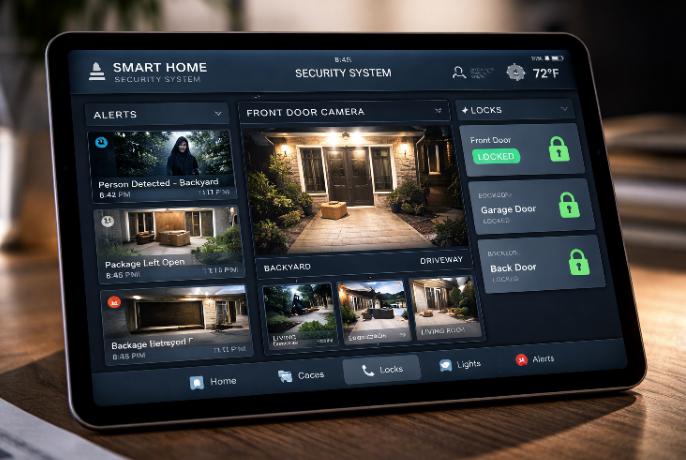
Smart locks are becoming very common in many homes. Homeowners like them because they can lock or unlock their doors using a phone, create temporary access codes for guests, and avoid the problem of losing physical keys.
AI cameras are also growing in popularity. These cameras can detect motion, recognize people, and send instant alerts to a phone when unusual activity happens around the house.
Security apps make it easier to manage everything in one place. With a single app, homeowners can check camera feeds, control smart locks, receive notifications, and monitor their home even when they are away.
I upgraded using
smart locks.
Understanding Local Crime Patterns in Your Area now includes digital tools.
Actionable Takeaway
Tonight, step outside. Look at your home from the street.
Fix one weak point immediately.
Start Understanding Local Crime Patterns in Your Area today.
Conclusion
I stopped guessing and started observing.
Understanding Local Crime Patterns in My Area gave me control.
Safety is awareness plus action.
Comment Suggestion
Have you noticed any strange patterns in your area? Share what you observed and what you changed.

Borni Franklin is the founder of LotsHomeGuide and a home security researcher with over 5 years of experience studying real-world burglary patterns, property vulnerabilities, and practical protection strategies. He has tested home security products, analyzed how intruders select targets, and built free tools to help everyday homeowners assess and improve their safety. Every article on LotsHomeGuide is written from hands-on research — not recycled generic advice. Based in the USA. Read full information about Borni Franklin on our About Us page.